Saturday, April 18, 2026

How to Choose the Right Contractor: 10 Essential Steps for Home Projects in 2026

How to Choose the Right Contractor: 10 Essential Steps for Home Projects in 2026

How to Choose the Right Contractor: 10 Essential Steps for Home Projects in 2026

Published: January 15, 2026 | 14 min read

Professional contractor reviewing home project plans

Hiring the wrong contractor can turn your dream home project into a nightmare of delays, cost overruns, and shoddy workmanship. With over 700,000 contractor complaints filed annually in the USA, knowing how to vet and choose the right professional is critical. This comprehensive guide reveals the 10 essential steps to find, evaluate, and hire trustworthy contractors—so your project finishes on time, on budget, and to your satisfaction.

700K+ Annual contractor complaints in USA
$11K Average cost of fixing bad contractor work
92% Of homeowners regret rushing contractor selection

Step 1: Define Your Project Clearly

📋 Start with a Detailed Scope

Before contacting any contractor, document exactly what you want done. Vague requests lead to vague bids and expensive change orders.

✅ Project Definition Checklist

  • Specific work to be performed (e.g., "replace kitchen cabinets," not "update kitchen")
  • Materials preferences (brand, style, color, quality level)
  • Timeline expectations and hard deadlines
  • Budget range (be realistic about market rates)
  • Access considerations (parking, storage, working hours)
  • Permit requirements (who will pull them?)

💡 Pro Tip

Take photos of the area and create a simple sketch or mood board. Visual references prevent misunderstandings and help contractors provide accurate bids.

Step 2: Get Multiple Referrals

🔍 Cast a Wide Net

Never hire the first contractor you find. Get at least 3-5 referrals from trusted sources:

  • Friends and family: Ask about their recent projects and experiences
  • Neighbors: Local contractors know area codes and permit processes
  • Professional networks: Real estate agents, architects, and designers have vetted lists
  • Online reviews: Check Google, Yelp, BBB, and Angi (but read critically)
  • Trade associations: NAHB, NARI, and local builder associations maintain member directories

✅ Green Flag: Consistent Positive Feedback

Look for contractors with multiple recent reviews mentioning: punctuality, cleanliness, communication, and quality workmanship. One bad review among 50 positives is normal; multiple complaints about the same issue is a warning sign.

Step 3: Verify Licenses & Insurance

🛡️ Protect Yourself Legally

Never skip this critical step. Unlicensed or uninsured contractors put YOU at financial risk.

✅ Verification Checklist

  • State license: Verify through your state's licensing board website
  • Local business license: Required in most cities/counties
  • Liability insurance: Minimum $1 million coverage for property damage
  • Worker's compensation: Protects you if a worker is injured on your property
  • Bonding: Provides financial recourse if contractor fails to complete work

❌ Red Flag: "I'll Get Licensed Later"

Legitimate contractors maintain current licenses and insurance. Anyone asking you to "wait" or "don't worry about it" is not trustworthy.

Step 4: Check References & Past Work

🏆 See Proof of Quality

Don't just take a contractor's word for it—verify their track record.

  • Ask for 3 recent references: Specifically for projects similar to yours
  • Call references: Ask about timeline, budget adherence, communication, and cleanup
  • Visit completed projects: If possible, see finished work in person
  • Check online portfolios: Many contractors showcase before/after photos
  • Search for complaints: BBB, state attorney general, and local consumer protection sites

💡 Questions to Ask References

  • Did the project finish on time and on budget?
  • How was communication throughout the project?
  • Were there unexpected costs or change orders?
  • Would you hire this contractor again?
  • How was the cleanup and final walkthrough?

Step 5: Get Detailed Written Bids

📝 Compare Apples to Apples

Verbal estimates are worthless. Insist on detailed, written bids from each contractor.

Bid Component What to Look For Scope of Work Specific tasks, materials, and deliverables listed Materials Brand, model, quantity, and quality level specified Labor Hours estimated, crew size, hourly rates or fixed price Timeline Start date, milestones, and completion date Payment Schedule Clear milestones tied to payments (not upfront cash) Warranties Workmanship warranty length and what's covered Permits Who pulls permits and associated costs Cleanup Debris removal and site cleanup included

❌ Red Flag: Vague or Handwritten Bids

Professional contractors provide detailed, typed proposals. Handwritten notes or one-page "estimates" often lead to disputes later.

Step 6: Understand Payment Terms

💰 Protect Your Money

How you pay is as important as who you hire. Follow these payment best practices:

  • Never pay 100% upfront: Maximum 10-30% deposit is standard
  • Tie payments to milestones: Pay as work is completed and inspected
  • Use traceable payment methods: Checks or credit cards (not cash)
  • Hold final payment: Until all work is complete and you're satisfied
  • Get lien waivers: Protects you from subcontractor liens

✅ Green Flag: Reasonable Payment Schedule

Example for a $10,000 project: 10% deposit, 30% after demo, 30% after rough-in, 25% after finishes, 5% final walkthrough holdback.

Step 7: Review the Contract Thoroughly

📄 Don't Sign Until You Understand

A solid contract protects both you and the contractor. Never start work without a signed agreement.

✅ Essential Contract Elements

  • Complete contact information for both parties
  • Detailed scope of work and materials list
  • Start and completion dates with penalty clauses for delays
  • Total price and payment schedule
  • Change order process (how modifications are handled)
  • Warranty terms for workmanship and materials
  • Dispute resolution process
  • Cleanup and debris removal responsibilities
  • Permit responsibility and costs

💡 Pro Tip

For projects over $5,000, consider having an attorney review the contract. The $200-500 cost could save thousands in disputes.

Step 8: Confirm Communication Preferences

🗣️ Set Expectations Early

Poor communication causes more project problems than any other factor. Clarify how you'll stay in touch:

  • Primary contact: Who is your main point of contact?
  • Update frequency: Daily, weekly, or milestone-based updates?
  • Communication method: Text, email, phone, or app?
  • Decision timeline: How quickly do you need to respond to questions?
  • Issue escalation: What if there's a problem with the crew?

✅ Green Flag: Proactive Communication

The best contractors initiate contact, provide regular updates without being asked, and address concerns immediately.

Step 9: Trust Your Gut

🧭 Listen to Your Instincts

After checking all the boxes, pay attention to how you feel about working with this person.

⚠️ Trust Your Gut If:

  • You feel pressured to sign quickly
  • They dismiss your questions or concerns
  • Communication feels difficult or evasive
  • They badmouth competitors excessively
  • Something feels "off" even if you can't pinpoint why

Remember: You'll be working closely with this person for weeks or months. Professional competence matters, but so does personal compatibility.

Step 10: Start with a Small Test Project

🔬 Build Trust Gradually

For large projects or new contractor relationships, consider starting small:

  • Test project idea: A small bathroom update before a whole-house remodel
  • Evaluate performance: Quality, communication, timeline adherence
  • Build rapport: Establish working relationship before major investment
  • Reduce risk: Limit exposure if things don't go as planned

💡 When a Test Project Makes Sense

  • You're hiring a contractor for the first time
  • The project is very large or complex
  • You have concerns about timeline or budget
  • You want to evaluate work quality before committing

Emergency Contractor Needs: When You Can't Wait

Sometimes you need a contractor immediately—for burst pipes, storm damage, or security breaches. In these cases, speed matters, but don't skip verification:

💧 Water Damage Emergency

Need immediate extraction and restoration to prevent mold.

Verified emergency service: 📞 (641) 337-4121

🔧 Plumbing Emergency

Burst pipe, major leak, or sewer backup requires immediate attention.

Verified emergency service: 📞 (814) 992-4141

🏠 Roofing Emergency

Storm damage, leak, or missing shingles need immediate tarping.

Verified emergency service: 📞 (662) 598-8458

🔐 Lockout or Security Breach

Locked out or broken lock requires immediate professional help.

Verified emergency service: 📞 (620) 407-7676

❄️ HVAC Emergency

No heat in winter or no AC in summer is a health emergency.

Verified emergency service: 📞 (978) 558-8151

🚗 Garage Door Emergency

Broken spring or opener leaves you stranded or insecure.

Verified emergency service: 📞 (641) 456-6777

Red Flags: Walk Away Immediately

❌ Never Hire a Contractor Who:

  • Asks for full payment upfront or in cash
  • Can't provide proof of license and insurance
  • Pressures you to sign today for a "special discount"
  • Only has a P.O. box or no physical business address
  • Uses high-pressure sales tactics or scare tactics
  • Can't provide recent references for similar work
  • Has multiple unresolved complaints with BBB or state board
  • Refuses to put everything in writing
  • Suggests you pull permits as the homeowner (shifts liability to you)
  • Has a vehicle with no company branding or contact info

Green Flags: Signs of a Great Contractor

✅ Look for Contractors Who:

  • Provide detailed, written bids with clear scope and pricing
  • Have current licenses, insurance, and bonding documentation
  • Offer reasonable payment schedules tied to milestones
  • Communicate proactively and respond promptly to questions
  • Show portfolios of completed work similar to your project
  • Provide references you can actually contact
  • Explain the permit process and who handles it
  • Offer warranties on workmanship and stand behind their work
  • Have a professional online presence with genuine reviews
  • Treat you with respect and listen to your concerns

After the Project: Protect Your Investment

Your relationship with the contractor doesn't end when the work is done. Take these steps to protect yourself:

  • Final walkthrough: Inspect all work thoroughly before final payment
  • Get lien waivers: From contractor and all subcontractors
  • Save documentation: Contract, bids, change orders, and receipts
  • Test systems: Ensure HVAC, plumbing, electrical all function properly
  • Get warranty info: In writing, with contact details for claims
  • Leave a review: Help other homeowners make informed decisions

Need a Trusted Contractor Now?

Stop searching and start building. Our network connects you with licensed, insured, and vetted professionals ready to handle your project—emergency or planned.

Get Connected Today

Licensed • Insured • Background-Checked • Fair Pricing
© 2026 Home Services Lead Network. All rights reserved.

Connecting American homeowners with trusted, professional contractors nationwide.

Home Security Guide: Protect Your Family & Property in 2026

Home Security Guide: Protect Your Family & Property in 2026

Home Security Guide: Protect Your Family & Property in 2026

Published: January 15, 2026 | 13 min read

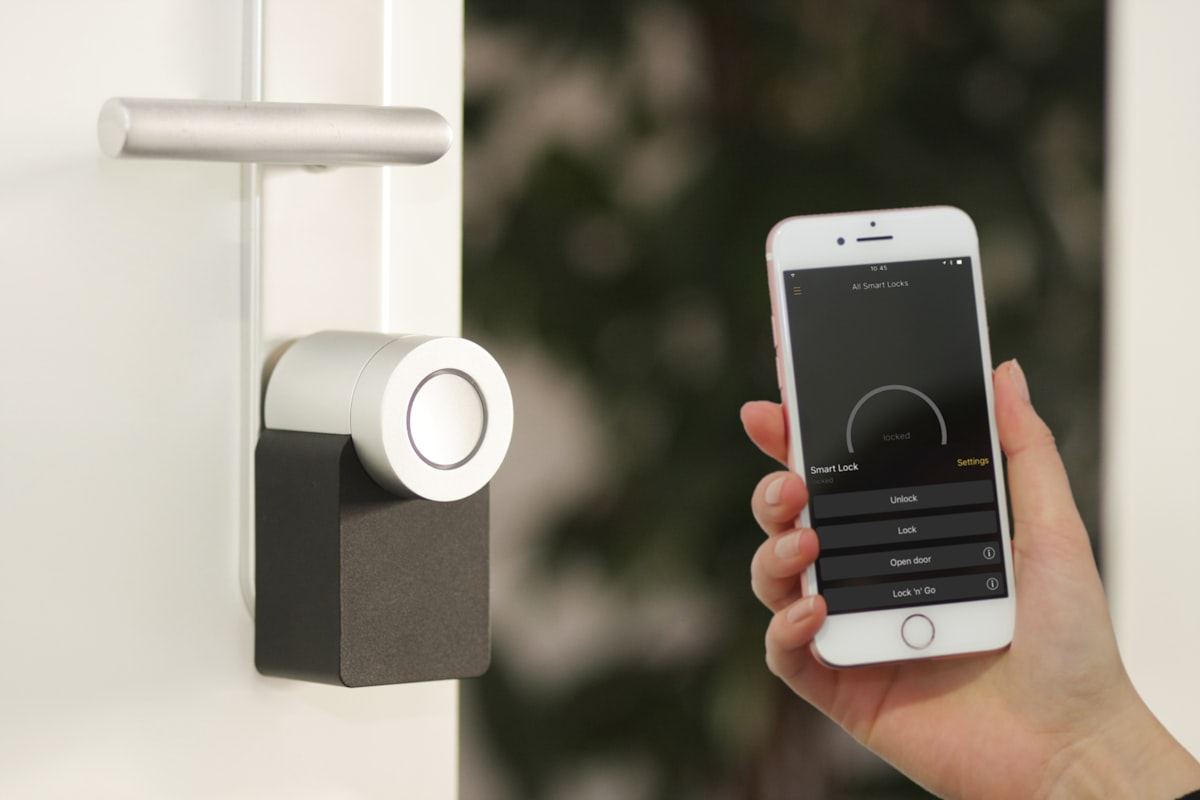
Home security system with smart locks and cameras

Your home is your sanctuary—a place of safety, comfort, and peace. But in an uncertain world, protecting that sanctuary requires more than just locking the door. This comprehensive guide reveals proven strategies to secure your property, deter criminals, and prepare for emergencies. From basic locks to smart security systems, learn how to create layered protection that keeps your family safe 24/7.

1 in 3 Homes experience burglary attempt
60% Burglaries occur during daytime
90% Entry through unlocked doors/windows

The Layered Security Approach

Effective home security isn't about one magic solution—it's about creating multiple layers of protection that work together. Think of it like an onion: each layer adds another barrier between intruders and your family.

1

🏡 Perimeter Security

First line of defense: Deter criminals before they reach your home.

  • Secure fencing and gates
  • Motion-sensor outdoor lighting
  • Trimmed landscaping (no hiding spots)
  • Visible security signage
  • Security cameras at entry points

Gate repair: 📞 (712) 401-7770

2

🚪 Entry Point Protection

Fortify access points: 81% of burglaries involve forced entry through doors or windows.

  • Deadbolt locks on all exterior doors
  • Reinforced door frames and strike plates
  • Window locks and security film
  • Smart locks with access logs
  • Door/window sensors

Locksmith services: 📞 (620) 407-7676

3

🔔 Alarm & Monitoring

Detect and respond: Alert you and authorities to intrusions.

  • Professional monitoring service
  • Smart home integration
  • Mobile alerts and remote control
  • Glass break sensors
  • Panic buttons
4

📹 Surveillance & Documentation

Record and identify: Deter crime and aid investigations.

  • HD security cameras (indoor/outdoor)
  • Cloud storage for footage
  • License plate recognition (driveway)
  • Video doorbells
  • Regular backup of important documents

Essential Door & Lock Security

🔐 Lock Types Compared

Lock Type Security Level Cost Best For
Standard Knob Lock Low $20-$50 Interior doors only
Deadbolt (Single) Medium $40-$100 Basic exterior protection
Deadbolt (Double) High $80-$200 High-security areas
Smart Lock Medium-High $150-$400 Convenience + remote access
High-Security Lock Very High $200-$500 Maximum protection needs

💡 Pro Lock Installation Tips

  • Use 3-inch screws for strike plates (not the short ones included)
  • Reinforce door frames with metal plates
  • Install deadbolts at least 12 inches from knob locks
  • Choose locks with ANSI Grade 1 or 2 rating
  • Rekey locks when moving into a new home

Window Security Strategies

Windows are the second-most common entry point for burglars. Here's how to secure them:

  • Window locks: Install key-operated locks or pin locks on all accessible windows
  • Security film: Apply shatter-resistant film to prevent glass breakage
  • Window sensors: Add to your alarm system for instant alerts
  • Window bars/grilles: For ground-floor windows in high-risk areas
  • Plant thorny bushes: Natural deterrent under windows (roses, holly, barberry)

🪟 Window Treatment Security Bonus

Proper window coverings do more than look nice—they enhance security:

  • Close blinds at night: Prevent criminals from seeing valuables
  • Use timers: Make home appear occupied when away
  • Smart blinds: Program to open/close automatically
  • Reinforced curtains: Some fabrics add privacy and security

Window treatments: 📞 (620) 551-8488

Smart Security Technology

Modern technology makes home security more powerful and convenient than ever:

Technology Key Benefit Cost Range Installation
Video Doorbell See/communicate with visitors remotely $100-$300 DIY or Pro
Smart Locks Keyless entry, remote access, access logs $150-$400 DIY or Pro
Security Cameras 24/7 monitoring, motion alerts, evidence $200-$1,000+ DIY or Pro
Smart Alarm System Professional monitoring, mobile control $300-$1,500 + monthly Professional
Smart Lighting Automated presence simulation $100-$500 DIY

⚠️ Smart Security Privacy Tips

  • Use strong, unique passwords for all devices
  • Enable two-factor authentication
  • Regularly update firmware/software
  • Review privacy settings on cameras
  • Secure your Wi-Fi network (WPA3 encryption)
  • Be cautious with cloud storage of footage

Lighting as a Deterrent

Proper lighting is one of the simplest, most effective security upgrades:

💡 Strategic Lighting Plan

Exterior Lighting:

  • Motion-sensor lights: At all entry points, driveways, and dark areas
  • Path lighting: Illuminates walkways without creating shadows
  • Timer-controlled lights: Make home appear occupied when away
  • Smart bulbs: Control remotely, change colors, set schedules

Interior Lighting:

  • Randomized timers: Vary on/off times to mimic occupancy
  • Leave lights on: In key rooms when away overnight
  • Smart plugs: Control lamps and appliances remotely

Cost: $200-$800 for comprehensive lighting upgrade
ROI: Significant deterrence value + energy savings with LEDs

Emergency Preparedness Integration

True home security includes preparing for emergencies beyond break-ins:

🚨 Emergency Security Checklist

Fire Safety:

  • ☐ Smoke detectors on every level, tested monthly
  • ☐ Carbon monoxide detectors near sleeping areas
  • ☐ Fire extinguishers in kitchen, garage, bedrooms
  • ☐ Escape plan practiced with all family members
  • ☐ Clear exits and windows for emergency egress

Medical Emergencies:

  • ☐ First aid kit stocked and accessible
  • ☐ Emergency contact list posted visibly
  • ☐ Medical alert system for elderly/disabled family members
  • ☐ Clear address markings for emergency responders

Natural Disasters:

  • ☐ Emergency supplies (water, food, medications)
  • ☐ Backup power source (generator, battery packs)
  • ☐ Important documents in fireproof/waterproof safe
  • ☐ Family communication plan for separation scenarios

24/7 Emergency Response Services

When security breaches or emergencies happen, immediate professional response is critical:

🔐 Locked Out or Break-In

Emergency locksmith for entry, rekeying, lock replacement

📞 (620) 407-7676

🚪 Gate Malfunction

Automatic gate repair for security access restoration

📞 (712) 401-7770

🏠 Storm Damage to Security

Emergency boarding, window repair, roof tarping

📞 (662) 598-8458

💧 Water Damage from Break-In

Emergency water extraction and restoration

📞 (641) 337-4121

Security on a Budget

You don't need to spend thousands to significantly improve home security. Start with these high-impact, low-cost upgrades:

💰 Budget Security Upgrades (Under $500 Total)

Upgrade Cost Security Impact
Deadbolt installation (2 doors) $100-$200 High
Motion-sensor outdoor lights (4) $80-$160 Medium-High
Window locks (6 windows) $60-$120 Medium
Security signage/stickers $20-$50 Low-Medium (deterrent)
Timer for interior lights $15-$40 Medium (deterrent)
Total $275-$570 Significant improvement

💡 Free Security Improvements

  • Always lock doors and windows (even when home)
  • Don't hide spare keys outside (use smart lock or give to trusted neighbor)
  • Keep valuables out of sight from windows
  • Trim bushes near windows/doors (eliminate hiding spots)
  • Get to know neighbors (community watch effect)
  • Don't advertise vacations on social media in real-time

When to Call Professionals

While DIY security upgrades are valuable, some situations require expert assistance:

  • Lock installation/rekeying: Improper installation compromises security
  • Alarm system setup: Professional monitoring requires certified installation
  • Security camera placement: Experts know blind spots and optimal angles
  • Post-break-in security: Immediate assessment and reinforcement
  • Smart home integration: Complex systems need professional configuration

⚠️ Red Flags: Avoid These Security Mistakes

  • ❌ Hiding spare keys under mats, rocks, or fake rocks (first place burglars look)
  • ❌ Leaving garage door open (provides access to entire home)
  • ❌ Posting vacation photos on social media while away
  • ❌ Using default passwords on smart devices
  • ❌ Skipping regular maintenance of locks and alarms
  • ❌ Assuming "it won't happen to me" (complacency is the biggest risk)

Building a Security Mindset

The best security system is only as good as the habits of the people using it. Cultivate these practices:

  • Consistency: Lock doors/windows every time, without exception
  • Vigilance: Notice and report suspicious activity in your neighborhood
  • Communication: Ensure all family members understand security protocols
  • Maintenance: Test alarms, replace batteries, update systems regularly
  • Adaptation: Review and update security as your needs change

🔄 Monthly Security Check

Set a calendar reminder for a quick monthly security review:

  1. Test all smoke/CO detectors
  2. Check that all locks function properly
  3. Review security camera footage/storage
  4. Update alarm system codes if needed
  5. Trim any overgrown landscaping
  6. Verify emergency contact information is current

Don't Wait for a Security Breach

Your family's safety is priceless. Professional security assessments and quality installations provide peace of mind that DIY solutions can't match. Get started today.

Schedule Security Assessment

Licensed Professionals • 24/7 Emergency Response • Fair Pricing

© 2026 Home Services Lead Network. All rights reserved.

Protecting American homes with professional security solutions nationwide.

Home Energy Efficiency Guide: Cut Your Bills by 30% in 2026

Home Energy Efficiency Guide: Cut Your Bills by 30% in 2026

Home Energy Efficiency Guide: Cut Your Bills by 30% in 2026

Published: January 15, 2026 | 12 min read

Energy efficient home with solar panels and modern insulation

Rising energy costs are squeezing household budgets across America. The average American family spends over $2,000 annually on energy bills, but with the right efficiency upgrades, you can slash that number by 30% or more. This comprehensive guide reveals proven strategies to reduce energy waste, lower utility bills, and increase your home's value—all while reducing your carbon footprint.

30% Average energy bill reduction
$600 Annual savings potential
15% Home value increase

Where Your Energy Money Goes

Understanding energy consumption is the first step to reducing it. Here's the typical breakdown for American homes:

Category % of Energy Use Annual Cost (Avg)
Heating & Cooling (HVAC) 42% $840
Water Heating 18% $360
Appliances 15% $300
Lighting 12% $240
Electronics 8% $160
Other 5% $100

Top Energy Efficiency Upgrades

🪟 Energy-Efficient Windows ROI: 70-80%

Old, drafty windows can account for 25-30% of heating and cooling costs. Upgrading to double-pane, Low-E windows reduces energy loss significantly.

  • Cost: $300-$1,000 per window
  • Savings: $101-$583/year
  • Payback: 5-10 years
📞 (681) 491-4017

🏠 Proper Insulation ROI: 100%+

Adequate insulation in attics, walls, and basements is the most cost-effective way to reduce energy bills. Many homes are severely under-insulated.

  • Cost: $1,500-$6,000
  • Savings: 15% on heating/cooling
  • Payback: 3-7 years

❄️ High-Efficiency HVAC ROI: 50-60%

Modern HVAC systems are 30-50% more efficient than units from 10+ years ago. If your system is old, replacement pays for itself.

  • Cost: $5,000-$12,000
  • Savings: $300-$600/year
  • Payback: 8-15 years
📞 (978) 558-8151

🚿 Tankless Water Heater ROI: 40-50%

On-demand water heaters eliminate standby energy losses, saving 24-34% for homes using 41 gallons or less daily.

  • Cost: $1,000-$3,000
  • Savings: $70-$150/year
  • Payback: 10-20 years

💡 LED Lighting ROI: 500%+

LED bulbs use 75% less energy than incandescent and last 25 times longer. The easiest, cheapest upgrade available.

  • Cost: $100-$300 (whole house)
  • Savings: $75-$150/year
  • Payback: < 2 years

🌡️ Smart Thermostat ROI: 200%+

Programmable and smart thermostats automatically adjust temperatures when you're away, saving 10-23% on heating and cooling.

  • Cost: $150-$300
  • Savings: $180/year average
  • Payback: < 2 years

💰 Quick Wins: Low-Cost, High-Impact Changes

You don't need to spend thousands to see savings. These simple changes cost little but make a big difference:

  • Seal air leaks: Caulk and weatherstrip around windows/doors ($50-100, saves 10-20%)
  • Install door sweeps: Block drafts under exterior doors ($20, saves 5-10%)
  • Lower water heater temp: Set to 120°F (Free, saves 3-5%)
  • Use ceiling fans: Allows 4°F higher AC setting ($50-100, saves 10-15%)
  • Clean/replace filters: Monthly HVAC filter changes ($10-20, saves 5-15%)
  • Unplug electronics: Eliminate phantom loads (Free, saves 5-10%)

Sealing & Weatherization

Air leaks are the silent energy killers. The average home has enough gaps and cracks to equal a 3-foot by 3-foot hole in the wall!

🔍 How to Find Air Leaks

  1. Visual inspection: Look for gaps around windows, doors, electrical outlets, and where pipes/wires enter
  2. Hand test: On a windy day, hold your hand near potential leak spots
  3. Candle test: Hold a lit candle near suspected leaks (flame flickers = leak)
  4. Professional audit: Blower door test identifies all leaks ($300-500)

Priority Sealing Areas:

  • Attic hatch or stairs
  • Recessed lighting (can lights)
  • Window and door frames
  • Electrical and plumbing penetrations
  • Ductwork connections
  • Fireplace dampers

HVAC Efficiency Optimization

Since heating and cooling account for 42% of energy use, optimizing your HVAC system provides the biggest savings opportunity.

Annual HVAC Maintenance Checklist

  • ✅ Replace filters every 1-3 months
  • ✅ Schedule professional tune-up twice yearly
  • ✅ Clean condenser coils (outdoor unit)
  • ✅ Check refrigerant levels
  • ✅ Inspect and seal ductwork
  • ✅ Calibrate thermostat
  • ✅ Lubricate moving parts
  • ✅ Check electrical connections

Professional HVAC service: 📞 (978) 558-8151

⚠️ Warning Signs Your HVAC Needs Attention

  • Uneven heating/cooling throughout home
  • Unusual noises (grinding, squealing, banging)
  • Sudden spike in energy bills
  • System runs constantly or cycles frequently
  • Poor airflow from vents
  • Excess humidity or dryness

Smart Home Technology

Modern technology makes energy efficiency easier than ever. These smart devices automate savings:

Technology Cost Annual Savings Payback
Smart Thermostat $150-$300 $180 1-2 years
Smart Power Strips $30-$80 $100-$200 < 1 year
Smart Lighting $100-$300 $75-$150 1-3 years
Smart Blinds $300-$1,000 $50-$150 5-10 years
Energy Monitor $100-$400 10-15% total usage 2-4 years

Water Heating Efficiency

Water heating is the second-largest energy expense in most homes. Here's how to reduce those costs:

💡 Water Heating Savings Strategies

  • Lower temperature: Set to 120°F (saves 3-5%)
  • Insulate tank: Insulation blanket for older tanks ($30, saves 7-16%)
  • Insulate pipes: First 6 feet of hot/cold pipes ($20, saves 2-4%)
  • Fix leaks: Dripping hot water faucet wastes energy ($0, saves 5-10%)
  • Low-flow fixtures: Showerheads and faucets ($50-100, saves 25-60% water heating)
  • Drain water heat recovery: Capture heat from shower drain ($300-500, saves 25-30%)

Appliance Efficiency

Old appliances are energy hogs. When replacing, always choose ENERGY STAR certified models:

  • Refrigerator: New models use 40% less energy than 2001 models
  • Washing machine: Front-loaders use 50% less energy than top-loaders
  • Dishwasher: ENERGY STAR models save 3,870 gallons of water over lifetime
  • Dryer: Heat pump dryers use 60% less energy

💡 Appliance Usage Tips

  • Run full loads only (dishwasher, washing machine)
  • Use cold water for laundry (90% of energy goes to heating water)
  • Air-dry dishes instead of heat-dry
  • Clean dryer lint trap after every use
  • Keep refrigerator coils clean
  • Don't overfill refrigerator (blocks airflow)

Government Incentives & Rebates

Don't pay full price for efficiency upgrades! Federal, state, and utility companies offer significant incentives:

🏛️ 2026 Federal Tax Credits

  • Energy-efficient windows: Up to $600
  • Insulation: Up to $1,200
  • HVAC systems: Up to $600
  • Water heaters: Up to $600
  • Heat pumps: Up to $2,000
  • Electrical panel upgrades: Up to $600

Total potential credits: Up to $3,200 annually

💡 Additional Savings Opportunities

  • Utility rebates: Check with your local utility company (often $50-$500)
  • State programs: Many states offer additional incentives
  • Energy audit rebates: Free or discounted home energy audits
  • Manufacturer rebates: Additional savings on ENERGY STAR products

Calculating Your ROI

Before investing in upgrades, calculate the return on investment:

🧮 Simple ROI Formula

Payback Period = Total Cost ÷ Annual Savings

Example: $3,000 window replacement ÷ $300 annual savings = 10-year payback

Good payback periods:

  • Excellent: < 3 years
  • Good: 3-7 years
  • Acceptable: 7-15 years
  • Poor: > 15 years

Professional Energy Audit

Not sure where to start? A professional energy audit identifies the most cost-effective improvements for YOUR home:

  • Cost: $300-$500 (often free through utilities)
  • Includes: Blower door test, thermal imaging, appliance inspection
  • Deliverable: Prioritized list of improvements with cost/savings estimates
  • ROI: Audit cost typically pays for itself in first year of savings

⚠️ Red Flags: Avoid These "Efficiency" Mistakes

  • ❌ Closing vents in unused rooms (increases pressure, reduces efficiency)
  • ❌ Turning HVAC completely off when away (causes humidity/mold issues)
  • ❌ Using space heaters as primary heat (expensive and dangerous)
  • ❌ Skipping maintenance to "save money" (costs more long-term)
  • ❌ Buying cheapest equipment (efficiency matters more than upfront cost)

Start Saving on Energy Costs Today

Every day you wait is money wasted on high energy bills. Professional assessments and quality installations ensure maximum savings. Get started now!

Schedule Energy Audit

Licensed Professionals • Fair Pricing • Maximum Savings

© 2026 Home Services Lead Network. All rights reserved.

Helping American homeowners save money through energy efficiency.

The True Cost of Home Maintenance: What Every Homeowner Should Budget in 2026

The True Cost of Home Maintenance: What Every Homeowner Should Budget in 2026

The True Cost of Home Maintenance: What Every Homeowner Should Budget in 2026

Published: January 15, 2026 | 14 min read

Home maintenance and repair budgeting

Buying a home is just the beginning. The real financial commitment comes in the years that follow through ongoing maintenance, repairs, and unexpected emergencies. Many first-time homeowners are shocked to discover that maintaining a home can cost thousands of dollars annually. This comprehensive guide breaks down exactly what to budget, when to expect major expenses, and how to avoid financial surprises that can derail your homeownership dreams.

1-4% Of home value annually for maintenance
$3,150 Average annual maintenance cost
$15K Average emergency repair cost

The 1% Rule: Your Starting Point

Financial experts recommend budgeting 1-4% of your home's purchase price annually for maintenance and repairs. For a $300,000 home, that's $3,000-$12,000 per year, or $250-$1,000 monthly.

🧮 Quick Budget Calculator

Home Value × 0.01 to 0.04 = Annual Maintenance Budget

Example: $350,000 home × 0.02 (2%) = $7,000/year or $583/month

⚠️ Important Factors That Increase Costs

  • Older homes (20+ years): Budget 3-4% annually
  • Larger homes (2,500+ sq ft): Higher utility and repair costs
  • Extreme climates: More HVAC wear, weather damage
  • Poor previous maintenance: Catch-up costs in first years

Annual Maintenance Costs by System

Here's what to expect for routine maintenance on major home systems:

Home System Annual Maintenance Cost Frequency
HVAC System $150-$300 Twice yearly tune-ups
Plumbing $100-$250 Inspections & minor repairs
Roofing $200-$500 Inspections & minor repairs
Gutters $150-$300 Twice yearly cleaning
Pest Control $300-$600 Quarterly treatments
Water Heater $100-$200 Annual flushing
Septic System $300-$500 Every 3-5 years (averaged)
Total Annual $1,300-$2,650 -

Major Replacement Costs by Home Age

Beyond routine maintenance, major systems will eventually need replacement. Here's when to expect these expenses:

📅 Expected Major Expenses by Home Age

Years 1-5: Minor repairs $500-$2,000/year
Years 5-10: Water heater, paint $1,500-$3,000
Years 10-15: HVAC components $2,000-$5,000
Years 15-20: Roof, windows $8,000-$20,000
Years 20+: Major systems $15,000-$40,000

Emergency Repair Fund: Your Safety Net

In addition to your annual maintenance budget, maintain a separate emergency fund for unexpected repairs:

💰 Recommended Emergency Fund Levels

  • Minimum: $5,000 (for newer homes)
  • Recommended: $10,000-$15,000 (average home)
  • Ideal: $20,000+ (older homes or high-cost areas)

Common emergencies that drain funds:

  • Burst pipe/water damage: $3,000-$15,000
  • HVAC system failure: $4,000-$12,000
  • Roof leak emergency: $1,500-$8,000
  • Sewer line backup: $3,000-$10,000
  • Electrical panel replacement: $2,000-$6,000

Cost-Saving Strategies

💡 Smart Money-Saving Tips

  1. Preventive maintenance: $150 HVAC tune-up prevents $5,000 replacement
  2. Learn basic DIY: Save $100-$300 on simple repairs
  3. Get multiple quotes: Save 20-40% on major projects
  4. Bundle services: Many contractors offer discounts for multiple jobs
  5. Off-season scheduling: HVAC work is cheaper in spring/fall
  6. Maintain warranties: Keep records and follow maintenance requirements

When to Call Professionals vs DIY

Knowing when to hire a pro saves money in the long run. Here's the breakdown:

✅ Safe DIY (Save $100-$500)

  • Changing air filters
  • Caulking tubs/sinks
  • Replacing faucet washers
  • Painting touch-ups
  • Cleaning gutters (single-story)

⚠️ Call a Pro (Worth the Cost)

  • Electrical work
  • Plumbing emergencies
  • Roof repairs
  • HVAC system issues
  • Gas line work

🚨 Emergency Services (24/7)

Monthly Budget Breakdown Example

Here's how to structure your home maintenance budget for a $300,000 home:

Category Monthly Annual
Routine maintenance fund $250 $3,000
Emergency repair fund $200 $2,400
Major replacement savings $150 $1,800
Total Monthly $600 $7,200

💡 Pro Tip: Automate Your Savings

Set up automatic transfers to a dedicated "Home Maintenance" savings account. Treat it like a non-negotiable bill. When repairs are needed, the money is already there—no stress, no credit card debt.

Regional Cost Variations

Maintenance costs vary significantly by location:

  • Northeast: Higher heating costs, snow removal, older housing stock (+20-30%)
  • Southeast: Hurricane prep, humidity/mold issues, pest control (+15-25%)
  • Southwest: Extreme heat on HVAC, drought landscaping (+10-20%)
  • Midwest: Freeze/thaw damage, severe weather (+15-25%)
  • West Coast: Earthquake retrofitting, higher labor costs (+25-40%)

Insurance vs Maintenance: Know the Difference

⚠️ What Homeowners Insurance DOESN'T Cover

Many homeowners mistakenly believe insurance covers maintenance issues. It doesn't cover:

  • ❌ Wear and tear
  • ❌ Lack of maintenance
  • ❌ Gradual water damage
  • ❌ Pest infestations
  • ❌ Mold from humidity
  • ❌ Foundation settling

Insurance DOES cover: Sudden, accidental damage (burst pipes, storm damage, fire, theft)

Maximizing Home Value Through Maintenance

Smart maintenance doesn't just prevent problems—it increases your home's value:

  • Regular painting: 50-100% ROI at sale
  • Kitchen/bath updates: 60-80% ROI
  • New roof: 60-70% ROI plus easier sale
  • Updated HVAC: Major selling point, 50-60% ROI
  • Landscaping: 100-200% ROI on curb appeal

📊 The True Cost of Deferred Maintenance

Putting off repairs costs MORE in the long run:

  • Small roof leak ($300 fix) → $10,000 water damage if ignored
  • Minor plumbing drip ($150) → $5,000 mold remediation
  • HVAC tune-up ($150) → $8,000 system replacement
  • Gutter cleaning ($150) → $6,000 foundation repair

Building Your Maintenance Schedule

Stay organized with a maintenance calendar:

📅 Monthly Tasks ($0-50)

  • Test smoke/CO detectors
  • Check for leaks under sinks
  • Inspect HVAC filters
  • Walk property for issues

📅 Quarterly Tasks ($100-300)

  • Clean gutters (spring/fall)
  • Pest control treatment
  • HVAC filter replacement
  • Deep clean appliances

📅 Annual Tasks ($500-1,500)

  • HVAC professional tune-up
  • Water heater flushing
  • Roof inspection
  • Chimney cleaning (if applicable)
  • Septic inspection (if applicable)

Don't Let Maintenance Costs Catch You Off Guard

Proper budgeting and preventive maintenance save thousands. When you need professional help, our network of licensed contractors provides fair pricing and quality work—24/7.

Get a Free Estimate

Licensed • Insured • Fair Pricing • Available 24/7

© 2026 Home Services Lead Network. All rights reserved.

Helping American homeowners maintain and protect their investments nationwide.

"DealCheck Review: The #1 Real Estate Analyzer That Saves You Hours (2026)

DealCheck Review | Real Estate Ana...